Safari Mode: A Design That Roars on Any Surface
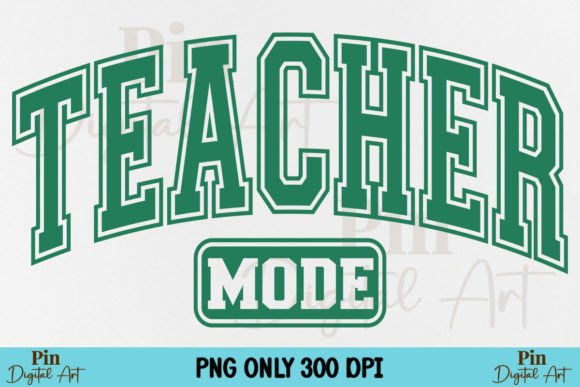
There's a particular energy to a great piece of apparel. It’s not just about the fabric or the cut; it's about the statement it makes. A well-executed graphic tee can become a conversation starter, a brand identifier, or a wearable piece of art. The challenge for designers, entrepreneurs, and creators is finding assets that are not only visually compelling but also versatile enough to bring multiple ideas to life. That’s where a thoughtfully crafted design like the Safari Mode T-shirt Design enters the picture, offering a blend of artistic flair and practical utility that can fuel a range of creative projects.
More Than Just a Graphic: The Visual Language of Adventure
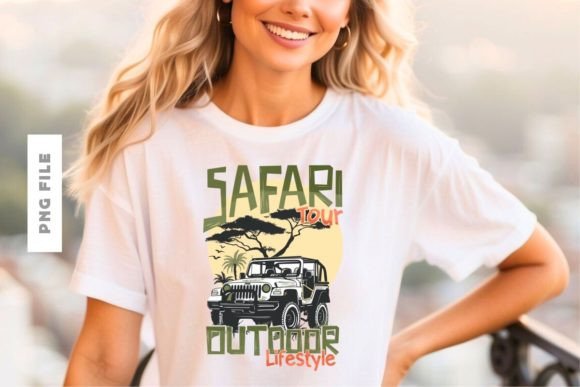
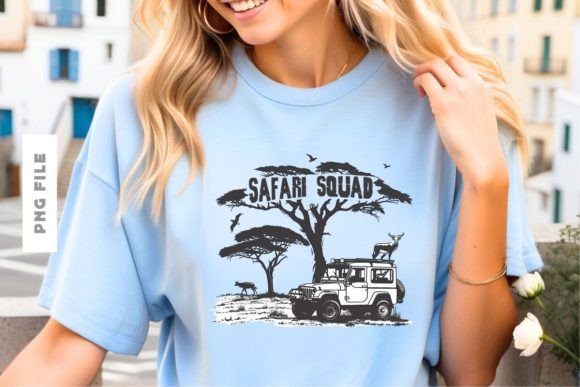
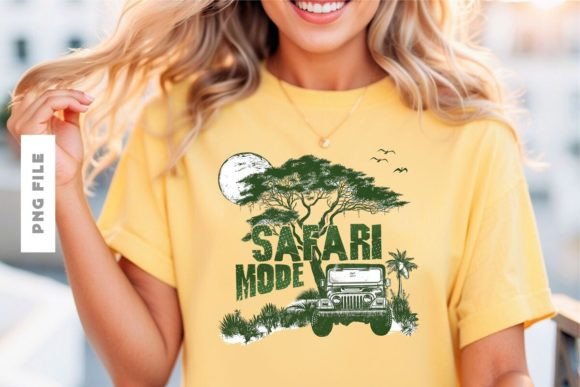
At its core, the Safari Mode design captures a feeling—of exploration, boldness, and a touch of vintage adventure. Its visual appeal lies in its balanced composition and evocative style. The typography often carries a weight and texture that feels handcrafted, avoiding the sterile look of purely digital fonts. It might be paired with illustrative elements that suggest maps, compasses, or wildlife, but done with a modern sensibility that keeps it from looking cliché. This isn't just a picture of a lion; it's an aesthetic. The use of negative space, the careful kerning of letters, and the overall silhouette are all designed to make an immediate impact, whether viewed from across a room or on a phone screen. It’s a design that communicates a brand personality of confidence and curiosity without saying a word.
From Your Laptop to a Warehouse: Unmatched Versatility in Application
The true value of a premium design asset is measured by its adaptability. The Safari Mode design, provided in high-resolution PNG and PDF files at 300 DPI, is built for this very purpose. Its vector-friendly formats mean it scales without losing quality, a critical factor for professional output.
Consider the breadth of its potential uses:
- Apparel & Merchandise: This is its natural habitat. It’s perfect for t-shirts, hoodies, and sweatshirts. But its application extends far beyond clothing. Think tote bags for a boutique, aprons for a café with a adventurous theme, or even socks for a quirky online store.
- Print & Packaging: The design can be adapted for posters, art prints, or stickers. For small-batch product creators, it can become the centerpiece of packaging—on box sleeves, bottle labels, or branded tissue paper, creating a cohesive unboxing experience.
- Digital Presence: In the digital realm, it’s a powerful tool. Use it as a hero graphic on a website landing page, as a recurring motif in social media templates for Instagram or Pinterest, or as a eye-catching banner for a YouTube channel. It instantly establishes a thematic visual language.
- Marketing & Brand Assets: For entrepreneurs, consistent branding is everything. This design can be the foundation of a visual identity for a travel blog, a camping gear startup, or a lifestyle brand. It can appear on business cards, email headers, and digital ads, building recognition through a strong, repeated visual cue.
The "unlimited copies" license is particularly liberating for businesses planning mass production or those utilizing print-on-demand services. It removes the friction of per-unit licensing costs, allowing you to scale your product line or marketing campaign freely.
Building a Cohesive Brand: Consistency is Key
One of the most significant hurdles for a growing brand is maintaining visual consistency. Using a hodgepodge of different design styles across your products and marketing materials can confuse your audience and dilute your message. Integrating a core design asset like Safari Mode across multiple touchpoints solves this problem elegantly.
Imagine a small business that sells outdoor-inspired home goods. The Safari Mode graphic could be the central design on their signature t-shirt, reappear as a subtle pattern on their ceramic mugs, and serve as the favicon and social media profile picture. This repetition builds a powerful visual shorthand. Customers begin to associate that specific aesthetic with the brand's values—quality, adventure, and a curated sense of style. This is the essence of strong brand identity, and it’s achievable with a versatile, high-quality design file.
Practical Considerations for Seamless Integration
Before diving into a project, a few practical steps can ensure the best results. First, examine the design's color palette and consider how it will interact with your medium. A design with a lot of fine detail might sing on a light-colored poster but could get lost on a dark, textured hoodie. Testing a mock-up is always a wise step.
Second, think about pairing. If you plan to add supporting text—like a brand name, date, or tagline—choose a complementary typeface. A bold, adventurous design like Safari Mode often pairs well with a clean, simple sans-serif font for secondary information. This creates hierarchy and ensures readability. The goal is harmony, not competition, between the elements.
Finally, always review the technical specifications. Knowing you have a 300 DPI file means you’re working with print-ready quality. Understanding that the design is suitable for both digital printing/sublimation and screen printing gives you flexibility in choosing production methods based on your budget, order size, and desired finish.
Your Creative Launchpad
A design like Safari Mode is ultimately a starting point. It’s a professionally crafted foundation upon which you can build. Whether you're a designer looking for a standout element for a client project, an entrepreneur launching a new product line, or a hobbyist creating unique gifts, having access to a high-caliber, flexible design asset accelerates the creative process. It allows you to focus on your unique vision—whether that’s curating a product collection, crafting a marketing campaign, or simply expressing a personal style—while relying on a core visual that is built to perform. The real journey begins when you apply it, test it, and make it part of your own creative story.