Pedal Power: BMX Style for Dynamic T-Shirt Designs
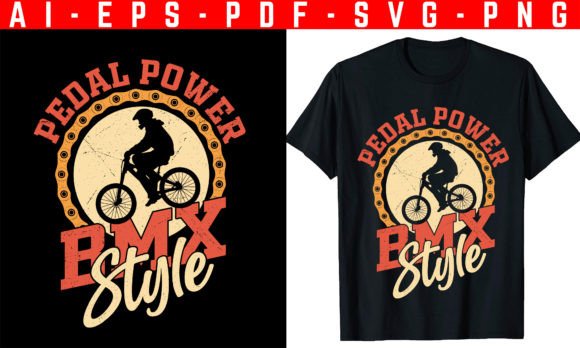
There's an unmistakable energy to BMX culture—the grit, the speed, the raw, unfiltered expression. Capturing that spirit in a design is no small feat, but the Pedal Power, BMX Style T-shirt Design does exactly that. It’s not just a graphic; it’s a statement piece that brings the rebellious, high-octane world of bike stunts to your apparel. For anyone in the business of creating custom merchandise, from small brand owners to print-on-demand entrepreneurs, this design file offers a direct line to a passionate audience. It’s the kind of asset that transforms a plain t-shirt into a conversation starter, a brand emblem, or a piece of wearable art that resonates with thrill-seekers and vintage moto enthusiasts alike.
More Than Just a Graphic: A Versatile Design Asset
While its primary purpose shines on cotton and polyester blends, the true value of a professional design file like this lies in its adaptability. The package isn't just a single-use image. It’s a toolkit. You receive the design in multiple industry-standard formats—AI, EPS, SVG, PDF, and a high-resolution PNG. This isn't about technical jargon; it's about practical freedom. The SVG file, for instance, is perfect for those using a Cricut Explore or Silhouette Designer Edition to create vinyl decals for helmets, water bottles, or laptop skins. The editable vector files (AI, EPS) allow a graphic designer to deconstruct the elements, change colors to match a specific brand palette, or integrate parts of the design into a larger composition for a poster or a social media banner.
Think beyond the t-shirt. This BMX-inspired artwork could be the cornerstone of a complete brand identity for a local bike shop, a cycling podcast, or an extreme sports blog. Use it to create eye-catching packaging design for a new line of bike grips or energy bars. Adapt it into a bold logo design that instantly communicates action and agility. The transparent background PNG is a godsend for content creators, allowing you to layer the design onto photos, website headers, or YouTube thumbnails without any messy editing. It’s a single purchase that fuels an entire ecosystem of marketing assets.
Aligning Aesthetic with Audience: Who Is This For?
The visual language of BMX—dynamic angles, gritty textures, and a sense of motion—appeals to a specific demographic. We're talking about adults (20-50) who value authenticity, nostalgia, and active lifestyles. This design isn't trying to be everything to everyone; it's a targeted arrow. For a small business owner, this specificity is gold. It allows you to speak directly to a community without diluting your message. Imagine using this design for merchandise at a local skatepark event or as the featured graphic in an online store catering to retro sports enthusiasts. The brand recognition you build is rooted in a shared visual culture.
For the creative entrepreneur or hobbyist, it’s about tapping into a style that feels both timeless and energetic. The typeface and illustration style within the design evoke a sense of 80s and 90s nostalgia that is currently experiencing a major resurgence. This makes it perfect for editorial layouts in a themed magazine, invitations to a vintage sports night, or social media graphics that need to stop a scrolling thumb. The key is matching the project's goal with the design's inherent personality. A charity bike-a-thon poster needs that energy just as much as a brand selling custom-painted frames.
Practical Steps for Integration and Customization
Getting a design file is one thing; using it effectively is another. Here’s how to ensure this asset works hard for you:
- Test Your Pairings: While the design is a standalone hero, you might need to add text. If you're creating a full t-shirt layout or a poster, choose a sans serif font that complements the design's style without competing. A clean, bold sans serif for a tagline can provide excellent readability against the detailed illustration. Avoid overly ornate script fonts that might get lost.
- Consider the Medium: The 300 dpi PNG is ideal for direct digital printing. If you're screen printing, you may need to work with the vector file to separate colors. For web use on a blog or website, the PNG is perfect, but ensure you optimize the file size for fast loading.
- Think About Licensing: The listing mentions you can order custom designs. This is a crucial point for commercial use. Always clarify the license for any design asset you purchase. For this file, the implication is that you are licensed to use it for your print-on-demand products or client work, but confirming this ensures your brand identity is built on a solid, legal foundation.
- Embrace Customization: The true power lies in the vector files. Don't be afraid to open the AI or EPS file in a compatible program. Change a wheel color to match your brand's hex code. Isolate the "Pedal Power" text to use as a standalone logo element. This is how you move from using a design to owning it, creating visual consistency across all your touchpoints.
Ultimately, a design like this is a catalyst. It provides the professional-grade visual centerpiece that many projects need to look credible and engaging. It saves you the weeks of work required to conceptualize and illustrate from scratch, while still offering the flexibility to make it your own. Whether you're building a brand from the ground up or adding a killer new product to your existing store, having a high-quality, thematically powerful design in your toolkit is a strategic advantage. It’s about injecting that specific, sought-after vibe of Pedal Power directly into your work, ensuring your final product doesn't just exist, but stands out and connects.